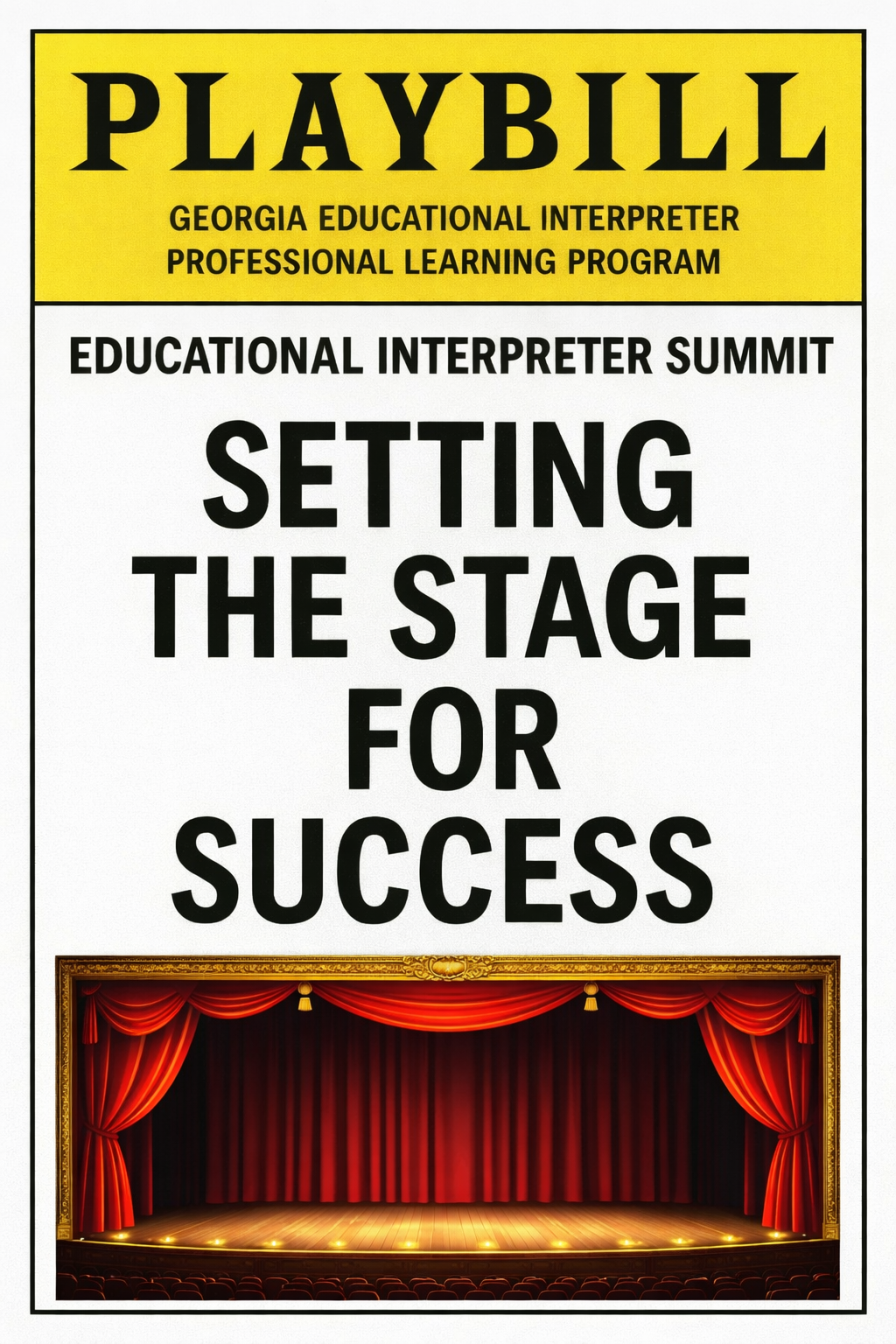
Educational Interpreter Summit
Setting the Stage for Success
June 18-20, 2026
This summer, we’re rolling out the red carpet for interpreters from across Georgia to learn, connect, and grow as we set the stage for success.
Through keynotes, plenary sessions, targeted breakout sessions, engaging activities, and opportunities to connect with peers, you’ll gain insights, strategies, and inspiration to deliver award-winning interpreting services that give deaf and hard-of-hearing students the access they deserve. Whether you’re maintaining credentials, leveling up your skills, or soaking in fresh ideas, this is your moment to take center stage - and make a real impact for the students you support!
-
Purpose
The Georgia Educational Interpreter Summer Institute will provide a focused opportunity for interpreters working in K–12 educational settings to engage in meaningful professional learning, skill development, and collaboration.
This event will support interpreters across Georgia in meeting licensure and credential maintenance requirements while promoting high-quality interpreting services that ensure equitable access for deaf and hard-of-hearing students.
Goals
Strengthen interpreting skills through targeted, hands-on training.
Support provisionally licensed interpreters on the path to full licensure.
Build a professional community and reduce interpreter isolation.
Highlight best practices and current research in educational interpreting
-
Thursday
9:00 – 4:00 EIPA Slots Available
2:00 – 4:30 – Check-In / Backstage Pass(participants arrive, pick up materials, get oriented)
4:30 – 6:30 – Dinner / Deaf Social – Opening Night Reception(meet fellow cast and crew)
6:30 – 8:30 – Welcome & Keynote – Opening Act (.15 CEUs) (the curtain rises on the summit!)
Kelly Sterling - Mental Health and the Deaf Community
Friday
8:00 – 9:00 – Breakfast – Morning Rehearsal(energize and prepare for the day ahead)
9:00 – 10:00 – Plenary (.1 CEU)
Dr. Lisa Godfrey - Setting the Stage for Success: The Past, Present, and Future of Educational Interpreting in Georgia
10:00 – 10:30 – Intermission / Break
10:30 – 12:00 – Concurrent Session #1 – Scene 1 (.15 CEUs)
Session A: Lisa Tubbs - When Access is More Than Interpreting: Supporting DeafPlus Learners in an Educational Setting
Session B: Sereta Campbell - Supporting Effective Communication & Well-Being: ASL Interpreters in K-12 Educational Settings and the Intersection with Student Mental Health
12:00 – 1:00 – Lunch – Cast Lounge
1:00 – 2:30 – Concurrent Session #2 – Scene 2 (.15 CEUs)
Session A: Chris Black - Inclusion or Illusion? Deaf Students’ Narratives of Access in Interpreted Classrooms
Session B: Dr. Kathryn Steele & Dr. Nadia Iftekhar - Role Clarity and Collaborative Structures in Telepractice: A Practice-Based Case Example of Interpreter–TODHH Service Delivery
2:30 – 3:00 – Intermission / Break
3:00 – 5:00 – Concurrent Session #3 – Scene 3 (.2 CEUs)
Session A: Jeffery York - Educational Interpreting Competencies Unpacked: Practical Tools for Skill Development
Session B: Jon Shive - Processing Time: Developing the Interpreter Muscle
5:00 – 7:00 – Dinner on Own – Backstage Break
7:00 – 10:00 – Games/Social Time – Cast Party/After Party (.1 CEUs)
Saturday
8:00 – 9:00 – Breakfast – Morning Rehearsal
9:00 – 11:00 – Concurrent Session #4 – Final Act (.2 CEUs)
Session A: Mandy Roberts - Resources Extravanganza!
Session B: Vyron Kinson - Understanding Black ASL: Implications for Educational Interpreters
11:15 – 12:30 – Plenary & Wrap-Up – Curtain Call (.1 CEU)
Dr. Jessica Bergeron - Spotlight on Outreach: Resources to Support Your Success
-
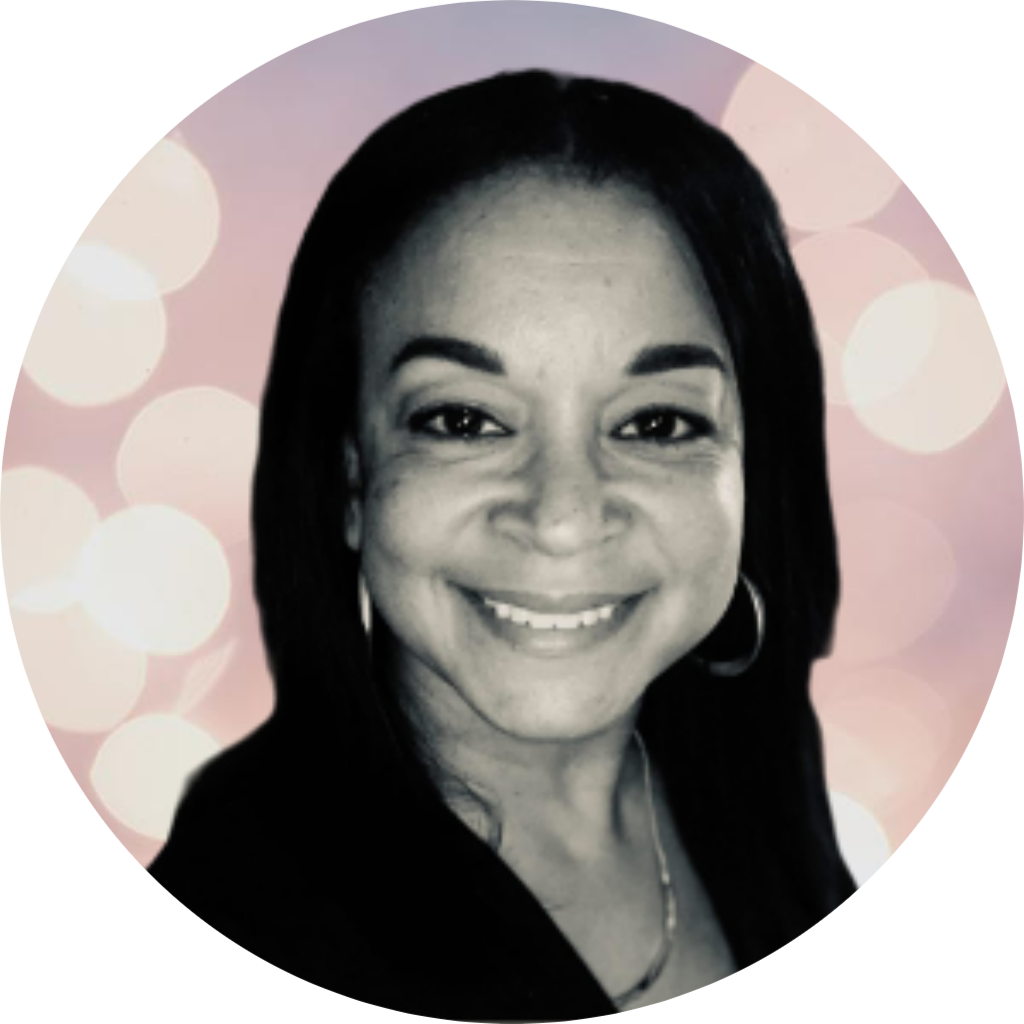
Dr. Jessica Bergeron
Jessica Page Bergeron, Ph.D., is the Outreach Director for the Georgia Department of Education’s Office of State Schools. She was recently honored with the Antonia Brancia Maxon Award for EHDI Excellence for her contributions to early diagnostics and intervention for children who are Deaf and Hard of Hearing. Dr. Bergeron has served as a teacher, principal, change management consultant, Director of Early Learning for the YMCA of Metro Atlanta, EVP for Client Learning at Operation HOPE, and research teacher for Foundations for Literacy for CLAD. She leads statewide initiatives focused on literacy, language development, and family-centered services for children with varying access needs.Chris Black
Chris Black is an educational American Sign Language (ASL) interpreter working in PK–12 public schools and a doctoral student at Georgia State University. His research explores Deaf students’ experiences in interpreted classrooms and how interpreting decisions influence access, participation, and belonging. His work emphasizes Deaf perspectives, ethical practice, collaboration, and student-centered interpreting.Sereta Campbell
Sereta Campbell has 16 years of experience working in mental health services for individuals who are Deaf and Deafblind, primarily as an interpreter. She currently serves as the Statewide Interpreter Coordinator for the Georgia Department of Behavioral Health and Developmental Disabilities (DBHDD). Sereta is a RID Certified interpreter and a Qualified Mental Health Interpreter Supervisor committed to ethical practice and sustainable interpreter support within complex mental health systems.Dr. Lisa Godfrey
Dr. Lisa Godfrey is a nationally certified interpreter holding CI, CT, and Ed:K–12 credentials and is also a Master Mentor. She has 35 years of professional interpreting experience and 28 years of teaching experience at the secondary and post-secondary levels. Dr. Godfrey currently serves as the Coordinator for the Educational Interpreter Professional Learning Program with the Georgia Department of Education, where she supports the professional growth and licensure pathways of K–12 educational interpreters across the state.Dr. Nadia Iftekhar
Nadia Iftekhar, Ed.D., M.Ed., M.A., is a certified Teacher of the Deaf/HH with more than 12 years of experience in Deaf education and telepractice. She holds advanced degrees in Deaf education, elementary education, and educational technology. Dr. Iftekhar partners with districts through VocoVision to provide teletherapy, IEP support, and consultation, focusing on building accessible systems that support Deaf/HH students and strengthen school teams.Vyron Kinson
Vyron Kinson is a medical ASL interpreter at Wellstar Kennestone Regional Medical Center and the owner of ASL Diagnostic Service LLC in Atlanta, Georgia. He also serves as an adjunct ASL professor at Georgia State University and works as a Deaf Interpreter with interpreting agencies. Mr. Kinson holds a bachelor’s degree in Social Work and a master’s degree in Sign Language Education from Gallaudet University and achieved national interpreter certification through the Registry of Interpreters for the Deaf in 2022.Mandy Roberts
Mandy Roberts is a freelance interpreter and adjunct professor in the Valdosta State University Interpreter Training Program. She has more than a decade of experience in educational interpreting and holds a master’s degree in interpreting from the University of North Florida. Mandy is passionate about supporting students and preparing future interpreters through teaching and mentorship.Jon Shive
Jon Shive is a nationally certified interpreter holding CI and CT certifications and an EIPA score of 5. His experience spans educational, freelance, platform, theater, medical/mental health, VRS, and VRI interpreting. A former full-time faculty member at Georgia Perimeter College for 10 years, Jon is currently an adjunct instructor at Georgia State University while continuing freelance and remote interpreting. Together with Brian Cerney, Jon co-authored Processing and Receiving Fingerspelling and Numbers and Processing Time: Developing the Interpreter Muscle.
Dr. Kathryn Steele
Kathryn Steele, Ph.D., is an experienced school psychologist with more than 15 years of practice in schools, hospitals, private practice, and telepractice settings. She currently serves as Director of Clinical Services at VocoVision, where she provides training and clinical leadership for school-based telepractitioners nationwide. Dr. Steele specializes in assessment, crisis response, consultation, and strengthening home–school collaboration.Kelly Sterling
Kelly Sterling serves as the State Director of the Office of Deaf Services for the Georgia Department of Behavioral Health and Developmental Disabilities (DBHDD). A licensed clinical social worker in Georgia and North Carolina, he has more than 22 years of experience working with individuals who are deaf and their families. As a child of Deaf adults, he developed proficiency in American Sign Language from an early age.Lisa Tubbs
Lisa Marie Tubbs has more than 20 years of experience as an educational interpreter and has spent the past 17 years working with DeafPlus students. She is dedicated to creating accessible and inclusive learning environments and supporting students with diverse communication and learning needs. Lisa is also actively involved in Special Olympics and currently serves as a Lead Coordinator in her local program.Jeffery York
Jeffery York has more than 30 years of interpreting experience and holds NIC certification, a North Carolina interpreting license, Hub-CMI certification from the National Board of Certification for Medical Interpreters, and an EIPA rating of 4.1. He serves as Coordinator of the Interpreter Preparation Program at Western Piedmont Community College and Chair of the NCCCS Interpreter Education Faculty Organization. Jeffery remains active as a presenter and mentor for both aspiring and experienced interpreters. -
Registration is limited to DHH professionals serving DHH students in Georgia. Applicants who are accepted to attend will be notified. If space allows, we will also consider freelance interpreters who occasionally work in the Georgia school system. Applicants who are accepted to attend will be notified.
Registration Deadline: May 25, 2026
-
On-campus lodging and meals are included in the registration.
Participants will be housed in GSD campus dormitories and will dine in the campus dining hall or other designated meal locations. Attendees will be responsible to bring their own bedding and towels.Meals included with registration:
Thursday: Dinner
Friday: Breakfast and Lunch (Dinner on your own)
Saturday: Breakfast
Participants who prefer off-campus lodging may make their own accommodations at their own expense.
-
Thank you to our Partners!
-
We are seeking four to six student interns to assist with on-site conference support for our Educational Interpreter Summit. Interns will help with tasks such as registration, supporting presenters, monitoring session rooms, assisting attendees, and helping with general event logistics. This is a great opportunity for students to experience a professional conference environment while connecting with professionals in the field.
Internship Details
Dates: June 18–20
Commitment: Thursday at 8:00 AM through Saturday at 5:00 PM
Number of Positions: 4 - 6student interns
Application Deadline: April 1, 2026
Travel: Interns are responsible for their own travel to and from the event.
Intern Benefits
Selected interns will receive:Free summit registration
Room and board during the event
Opportunities to network with experienced interpreters and educators
Valuable hands-on experience supporting a professional conference
Interested students should complete the Student Intern Application.
Priority will be given to students enrolled in Georgia-based programs or to Georgia residents attending programs in other states; however, students from other states will also be considered.iption
Thursday - Keynote

Kelly Sterling
Mental Health and the Deaf Community
Friday
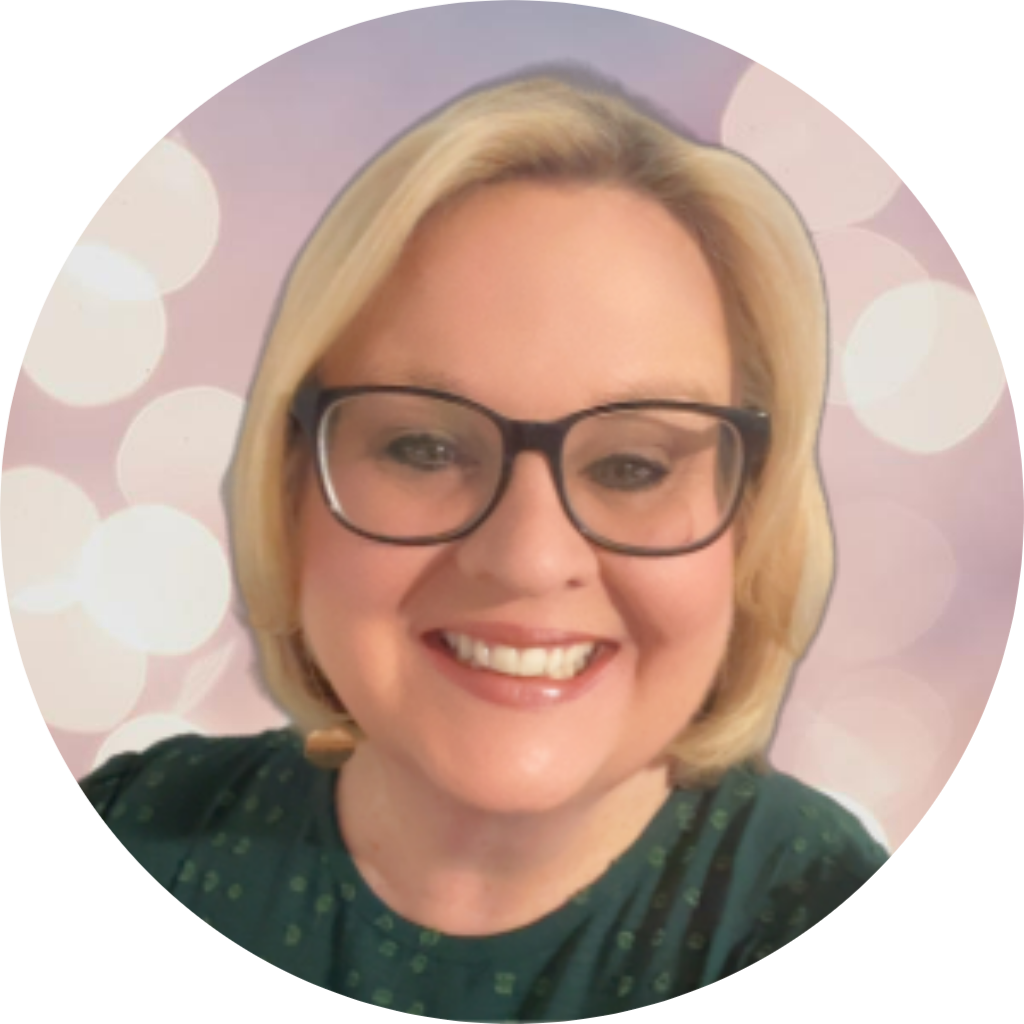
Dr. Lisa Godfrey
Setting the Stage for Success: The Past, Present, and Future of Educational Interpreting in Georgia
This plenary explores the evolution of educational interpreting in Georgia through the lens of “setting the stage for success” for deaf and hard-of-hearing (DHH) students. As a specialized area of interpreting practice, educational interpreting requires a deep understanding of how historical developments, educational systems, and professional expectations shape the interpreter’s ability to provide meaningful access in K–12 settings.
Participants will examine how past and current practices influence the conditions under which interpreting occurs, including role clarity, preparation, collaboration, and decision-making. Emphasis will be placed on how interpreters actively contribute to setting the stage for student success by applying systems knowledge, aligning with principles of Deaf education, and adapting to evolving expectations in the field.
Through reflection and application, participants will identify the knowledge, skills, and professional commitments necessary to strengthen their interpreting practice and enhance access, engagement, and learning for DHH students.
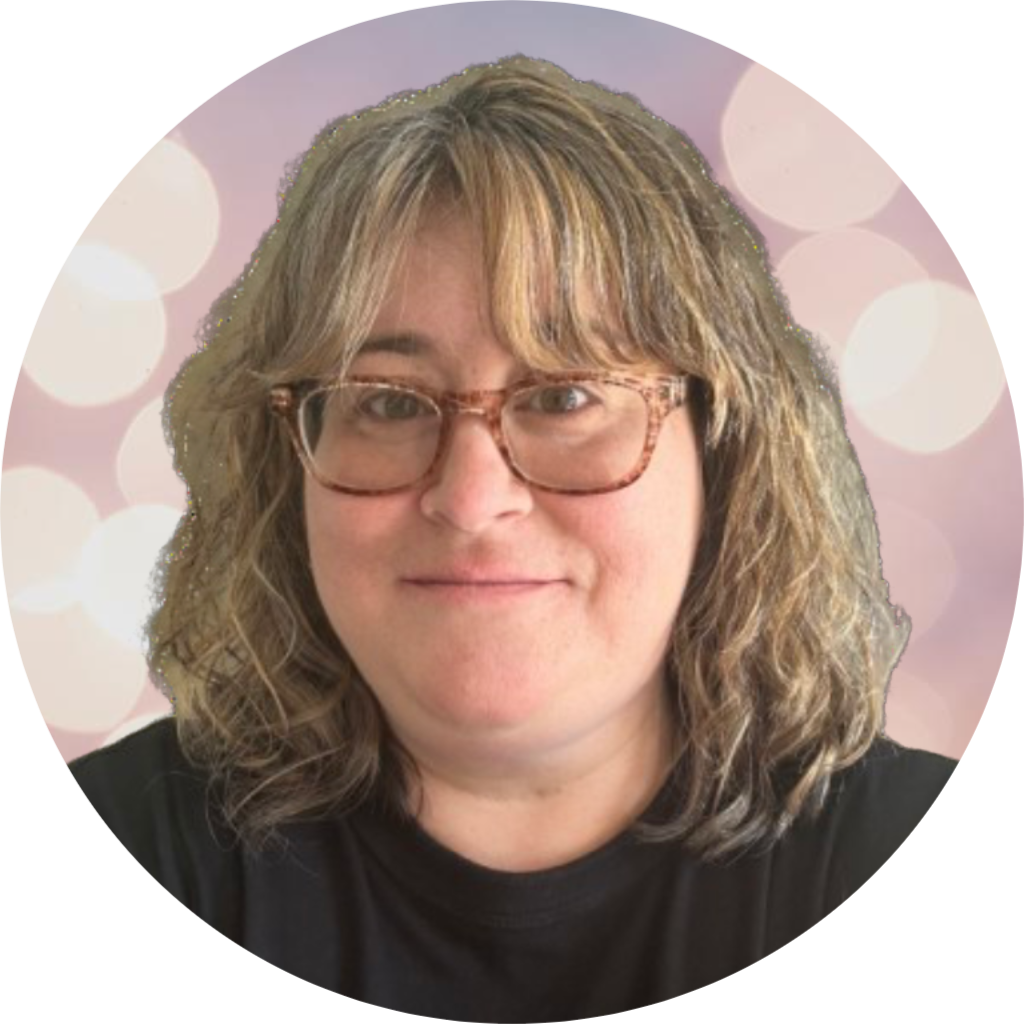
Lisa Tubbs
When Access is More Than Interpreting: Supporting DeafPlus Learners in an Educational Setting
This presentation will focus on interpreting and access considerations for DeafPlus students—deaf and hard-of-hearing learners with additional disabilities—within K–12 educational settings. Participants will explore how DeafPlus identities impact language access, communication choices, educational placement, and the interpreter’s role on the educational team. The session will emphasize flexibility, collaboration, ethical decision-making, and student-centered approaches, while acknowledging the limits of the interpreter role. Through examples, guided reflection, and discussion, participants will examine how to move beyond a one-size-fits-all interpreting model to better support DeafPlus students’ access, participation, and individuality.
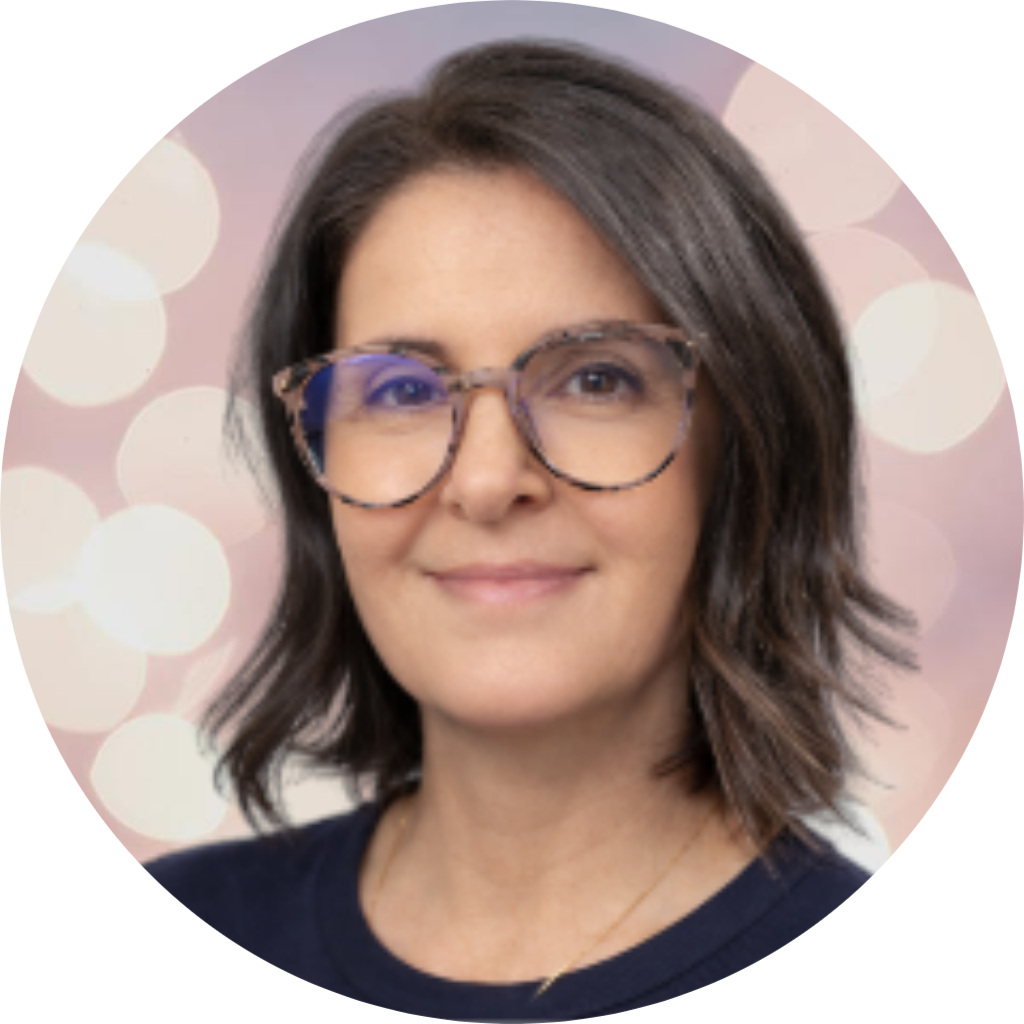
Sereta Campbell
Supporting Effective Communication & Well-Being: ASL Interpreters in K-12 Educational Settings and the Intersection with Student Mental Health
This interactive professional development session explores the evolving role of American Sign Language (ASL) interpreters working in K-12 educational environments, with a focused examination of how mental health concerns impact Deaf and Hard of Hearing (D/HH) students. Participants will gain a deeper understanding of interpreter responsibilities, professional boundaries, and collaboration strategies while recognizing the unique communication and cultural factors that influence student mental health access and outcomes. The session will highlight common mental health challenges experienced by D/HH students, including social isolation, language deprivation, trauma exposure, and barriers to accessing school-based mental health services. Attendees will learn practical strategies for supporting students while maintaining ethical interpreting practices and fostering collaborative relationships among educational teams.

Chris Black
Inclusion or Illusion? Deaf Students’ Narratives of Access in Interpreted Classrooms
Educational interpreters are often the primary access point for Deaf and Hard of Hearing (DHH) students in inclusive PK–12 classrooms. However, placement with an interpreter does not guarantee meaningful participation, belonging, or language access. Drawing from narrative inquiry with Deaf young adults who were mainstreamed with ASL interpreters, this session examines how “inclusion” is experienced from the student perspective and what those experiences reveal about interpreting practice. Using student stories as data, recurring themes are explored, including communication breakdowns, classroom discourse, peer interaction, teacher responsiveness, and the emotional labor required for access. The session highlights the gap between policy-driven inclusion mandates and the realities of interpreted classrooms, situating findings within a Deaf Gain and bilingual-bicultural framework that frames Deaf students as knowledgeable agents. Focus is given to the role of educational interpreters as related service providers whose collaboration, decisions, and ethical reasoning shape student access. Designed for PK–12 interpreters, participants will reflect on how interpreting choices intersect with language development, inclusion, and professional responsibility, engaging with student-centered scenarios and exploring practical implications for collaboration, advocacy, and ethical decision-making.
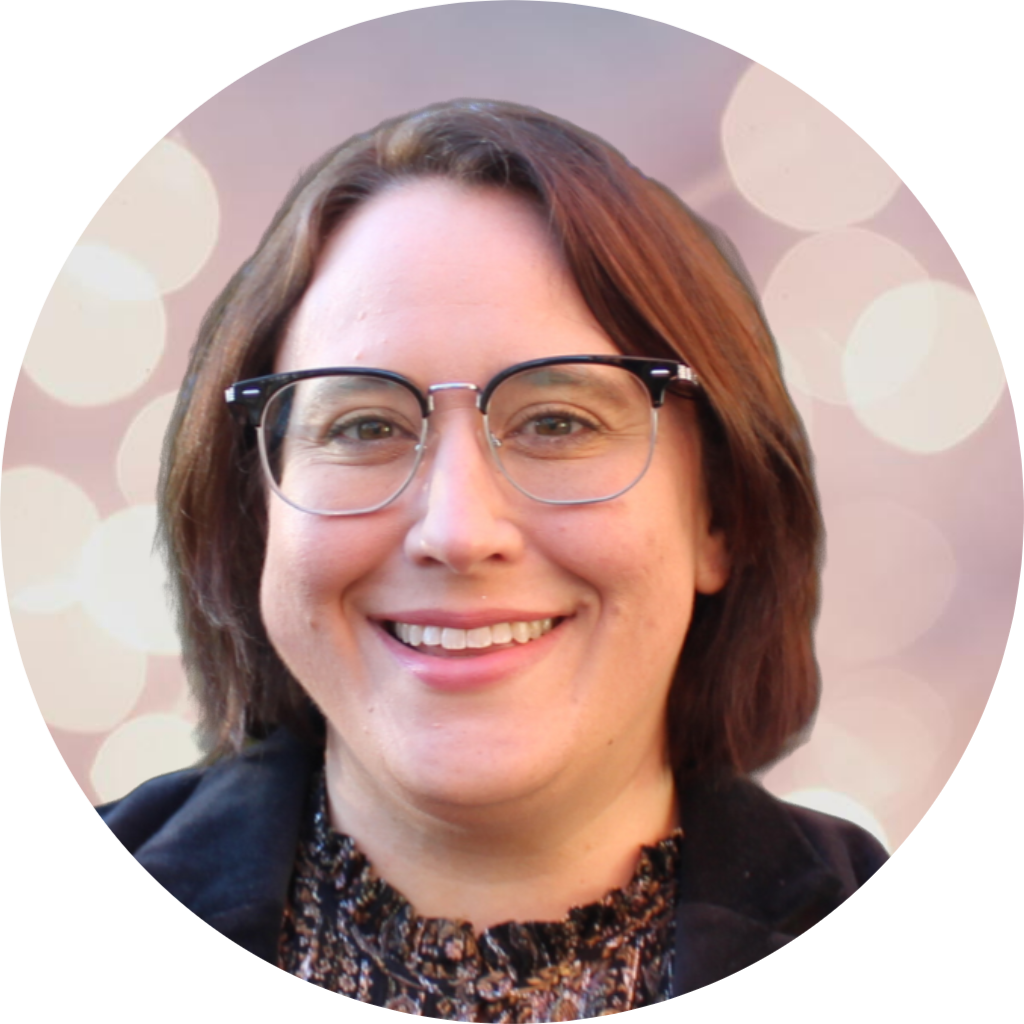
Dr. Kathryn Steele
Role Clarity and Collaborative Structures in Telepractice: A Practice-Based Case Example of Interpreter–TODHH Service Delivery
This session explores role clarity and collaborative practices between remote Teachers of the Deaf and Hard of Hearing (TODHHs) and on-site educational interpreters in K–12 settings. Participants will examine how structured communication, explicit role delineation, and ongoing coaching can support instructional consistency and student progress for Deaf and hard-of-hearing learners. The session highlights the TODHH’s responsibilities in planning, assessment, and progress monitoring, alongside the interpreter’s role in implementing supports and facilitating communication. Through a practice-based case example, discussion, and reflection, participants will learn strategies to navigate challenges, enhance collaboration, and optimize student outcomes in telepractice and hybrid service models.

Dr. Nadia Iftekhar
Role Clarity and Collaborative Structures in Telepractice: A Practice-Based Case Example of Interpreter–TODHH Service Delivery
This session explores role clarity and collaborative practices between remote Teachers of the Deaf and Hard of Hearing (TODHHs) and on-site educational interpreters in K–12 settings. Participants will examine how structured communication, explicit role delineation, and ongoing coaching can support instructional consistency and student progress for Deaf and hard-of-hearing learners. The session highlights the TODHH’s responsibilities in planning, assessment, and progress monitoring, alongside the interpreter’s role in implementing supports and facilitating communication. Through a practice-based case example, discussion, and reflection, participants will learn strategies to navigate challenges, enhance collaboration, and optimize student outcomes in telepractice and hybrid service models.

Jeffery York
Educational Interpreting Competencies Unpacked: Practical Tools for Skill Development
This workshop provides a deep dive into the core competencies essential for high-quality educational interpreting in K–12 settings. Using a comprehensive, research-aligned competency framework, participants will unpack the knowledge, skills, and decision-making processes that drive effective interpreting in educational settings. Through guided analysis, real-world examples, and hands-on skill application, interpreters will learn how to diagnose their performance, identify areas for growth, and apply practical tools to strengthen their interpreting practice. Whether you are new to educational interpreting or looking to refine your advanced skillset, this workshop offers a structured, supportive space to enhance the clarity, accuracy, and fidelity of interpreted classroom communication.
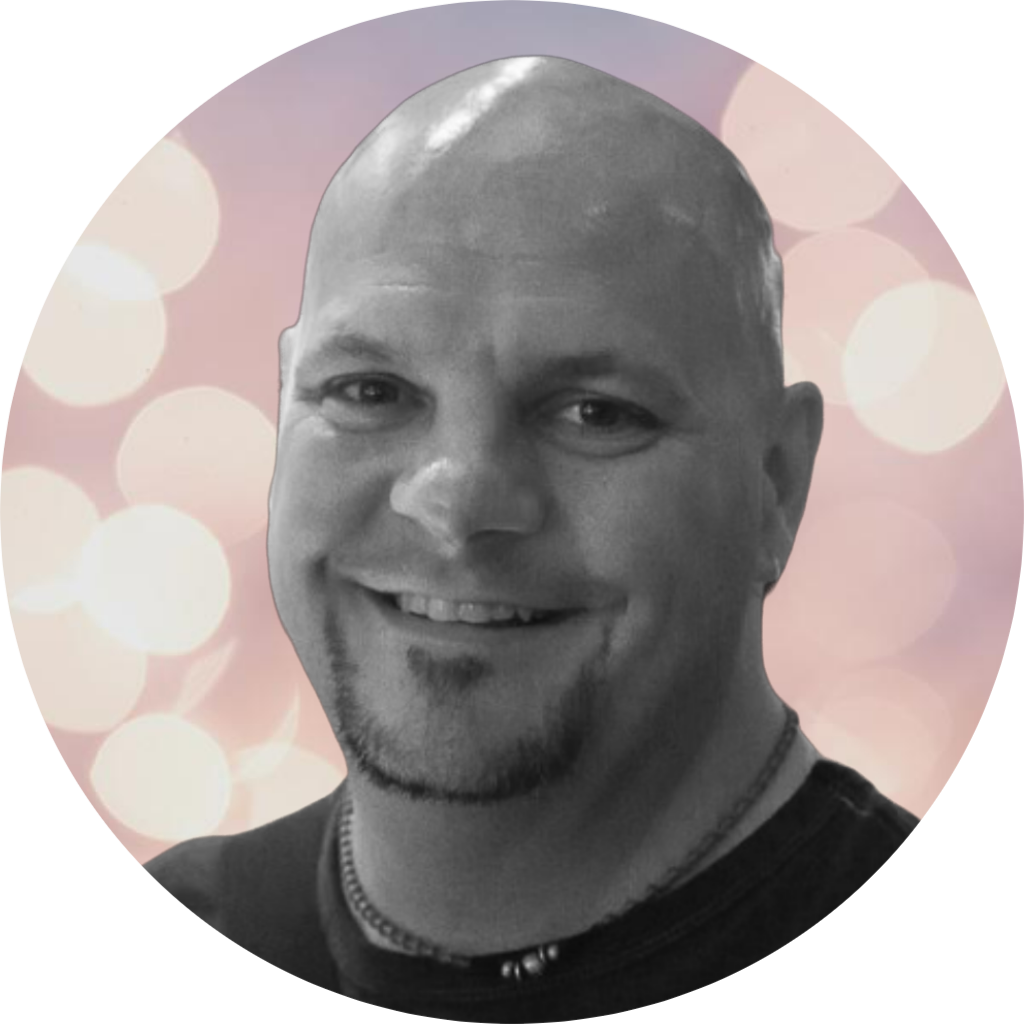
Jon Shive
Processing Time: Developing the Interpreter Muscle
This workshop will discuss an interpreter’s mental processing skills. The ability to process information is the foundation of our work. Metacognition is the means by whichinterpreters take in and handle information. Based on the book, Processing Time: Developing the Interpreter Muscle: we will dig into the foundation of our mental work, we will delved into analysis, practice and understanding of processing.
Saturday
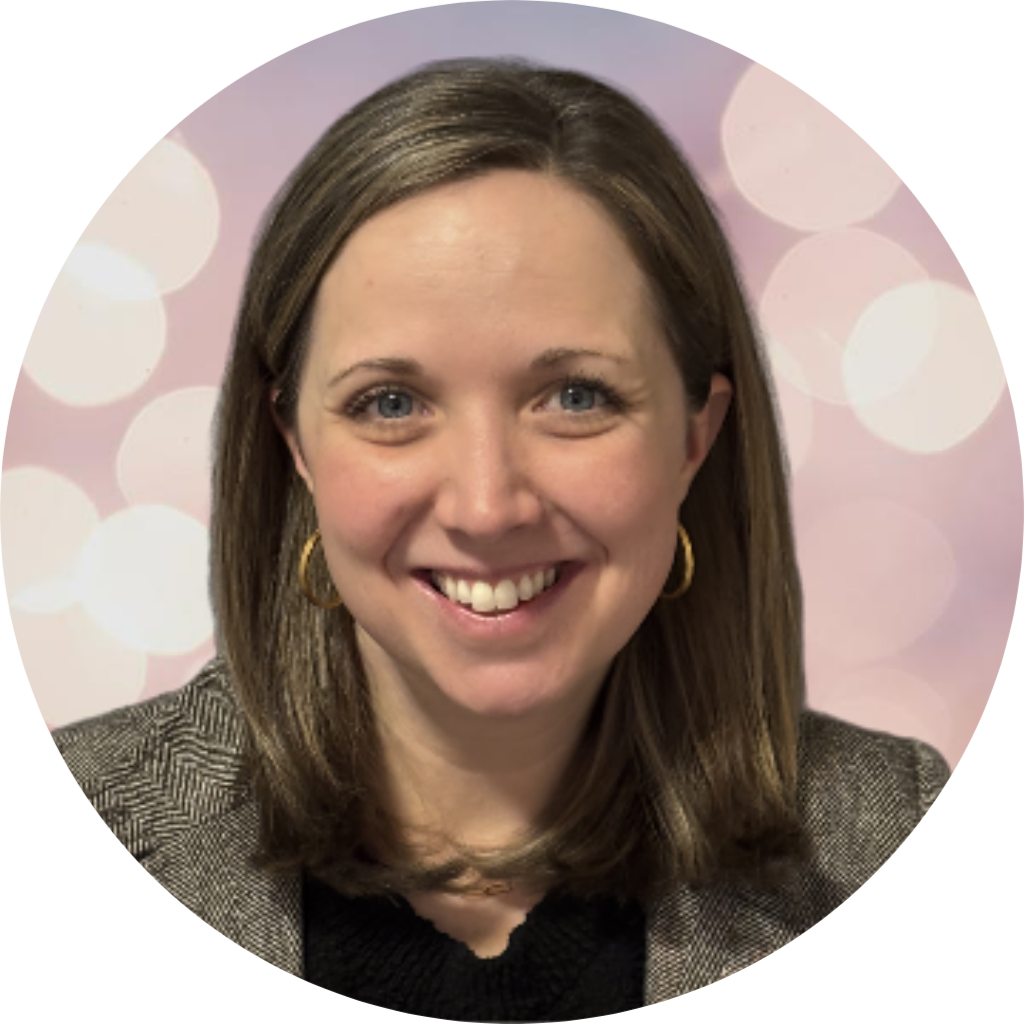
Mandy Roberts
Resources Extravanganza!
During this professional development, participants will explore resources (ASL & English) that are specific to GA DOE Grade Level standards. They will explore these resources and work through activities as groups. After the workshop, they will leave with the link to my Google Site "Resources Hub" and will have access to all of the amazing resources there, which are linked in one convenient place!
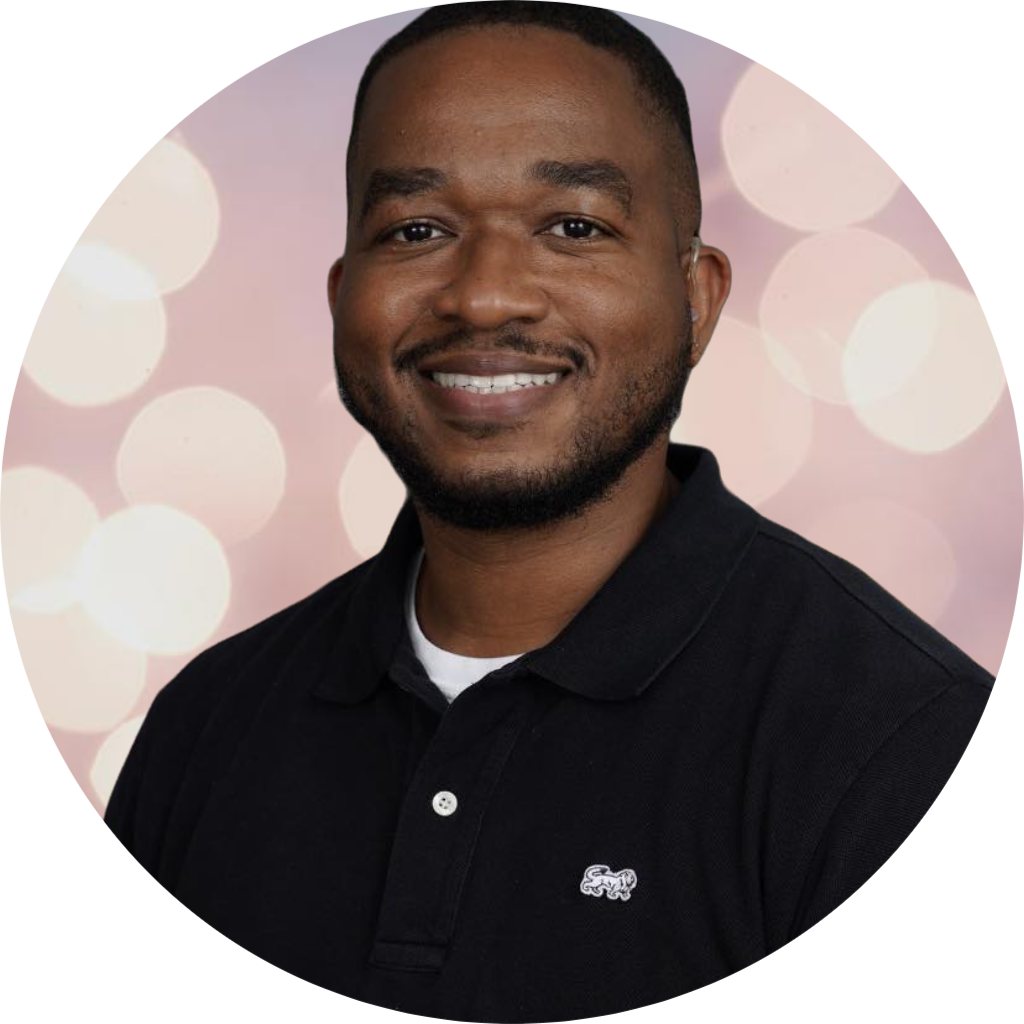
Vyron Kinson
Understanding Black ASL: Implications for Educational Interpreters
This workshop explores Black ASL (BASL) with a focus on its implications for educational interpreters. Participants will examine who typically uses BASL, when and where it is used, and how recognizing its features can enhance access and communication in K–12. Attendees will leave with practical strategies for interpreting effectively and respectfully when working with BASL users, while fostering culturally responsive practices and student-centered approaches. The session will also highlight the role of Historically Black Colleges and Universities (HBCUs) in supporting ASL education and discuss available data on ASL programs at these institutions.
Dr. Jessica Bergeron
Spotlight on Outreach: Resources to Support Your Success
Join us for a comprehensive look at the full spectrum of services offered by Georgia Outreach Services, designed to help educational interpreters set the stage for student success. This session will highlight how our programs support children who are deaf/hard of hearing or blind/visually impaired and their families—from early intervention through graduation—and how interpreters can use these resources to maximize classroom access and student engagement.
We’ll explore how Outreach provides direct services, professional learning, family support, statewide testing, audiology, and access-centered programming, and show how interpreters can connect and collaborate with these supports. Participants will leave with practical strategies to integrate Outreach resources into their daily practice, strengthen their role on the educational team, and actively contribute to meaningful, student-centered learning.
Walk away ready to set the stage for success for every student you serve.